
Children spend a lot of time playing, learning, and exploring on the floor. Because of this, having a safe and comfortable surface is important for both protection and playtime enjoyment.
Many parents choose foam tile play mat solutions because they provide cushioning and help reduce the risk of injury during active play.
Understanding how foam play surfaces work and why they are popular in-home play areas can help families create safer and more organized spaces for children.
Why Soft Flooring Is Important for Children
Children are naturally active and often run, jump, or crawl while playing. A foam tile play mat provides a soft surface that helps cushion falls and reduce impact.
These mats are especially useful for toddlers who are still learning balance and coordination. The padded material absorbs shock and provides comfort when children sit or lie on the floor. Soft flooring also encourages longer play sessions because children feel more comfortable while building toys, reading, or playing games.
Key Features to Look for in Foam Play Mats
Choosing the right play mat involves considering several important features that ensure both safety and durability.
Important features include:
- Thick cushioning to reduce impact from falls
- Non-slip surfaces for better stability
- Lightweight tiles that are easy to move or rearrange
- Easy-to-clean materials that resist spills and dirt
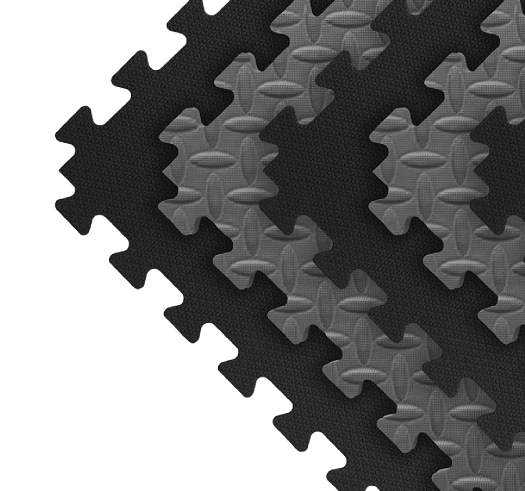
- Interlocking designs for quick installation
These qualities help create a practical and safe environment where children can play comfortably.
Benefits of Interlocking Foam Tile Systems
Interlocking foam tiles offer flexibility for parents who want to customize a play area. Individual tiles connect easily, allowing the mat to cover spaces of different sizes.
This design also makes it simple to expand the play area when needed. If one tile becomes damaged, it can be replaced without changing the entire mat. The modular design helps families maintain a tidy and organized play space while ensuring that children always have a comfortable surface to play on.
Why Foam Mats for Playroom Spaces Are Popular
Many families prefer foam mats for playroom areas because they provide both safety and comfort. These mats create a soft barrier between children and hard flooring surfaces such as wood or tile.
The cushioned surface supports activities like crawling, building toys, and indoor games. Foam mats also help reduce noise from footsteps or falling toys, making playtime quieter. Because they are lightweight and portable, they can be rearranged easily when the playroom layout changes.
Common Uses for Foam Playroom Mats
Foam flooring is widely used in areas where children need a safe and comfortable play surface.
Typical uses include the following:
- Home playrooms and activity spaces
- Nursery floors for babies and toddlers
- Daycare and preschool environments
- Indoor play areas in family rooms
- Learning corners for reading or puzzles
These spaces benefit from the cushioning and flexibility foam mats provide.
Maintenance and Cleaning of Foam Play Mats
Keeping play areas clean is important for maintaining a healthy environment for children. Foam mats are generally designed to be easy to clean using simple household methods.
Most mats can be wiped with a mild cleaning solution to remove dust, spills, or food crumbs. Because the tiles are removable, individual pieces can be cleaned separately if needed. Regular cleaning helps maintain hygiene while ensuring the mats remain safe and comfortable for everyday play.
Designing a Comfortable and Safe Playroom
Creating a well-designed play area involves more than simply placing toys in a room. Soft flooring helps establish a dedicated space where children can move freely and safely.
Parents often combine foam flooring with organized toy storage and open play areas. This arrangement encourages creativity and active play while keeping the room tidy. A comfortable environment also helps children feel relaxed and engaged during their activities.
Conclusion: Building Safer Play Spaces With Foam Flooring
Children benefit from environments that support both safety and comfort during play. Soft flooring provides protection from rough surfaces while encouraging active movement and exploration.
Interlocking foam tile mats offer flexible solutions for creating safe play areas at home. When families combine cushioned foam flooring with well-organized playroom spaces, they create environments where children can learn, play, and grow comfortably. Choosing the right flooring helps ensure that play areas remain safe and enjoyable for everyday activities.