

What Happens During a Traditional Thai Massage? Step-by-Step Guide
Wondering what happens during a Thai massage session? It includes a structured sequence of stretching, controlled pressure, and guided movements designed to ease tension and support flexibility.
Did you know that Thai massage has been practiced for over 2,500 years and combines elements of yoga, acupressure, and assisted stretching? This is why many people find it different from other massage styles that focus only on muscle pressure.
When you understand the traditional Thai massage steps, it becomes easier to feel comfortable and prepared before your first session.
At Mali Healing Spa NYC, clients can experience guided sessions where trained therapists use time-tested techniques in a calm environment designed to support both relaxation and physical ease.
Blog Objective
This blog explains what happens during a traditional Thai massage session, including step-by-step techniques, benefits, and what to expect, helping readers feel prepared and confident before booking.
Key Takeaways
- Thai massage follows a structured sequence of stretching, pressure, and guided movements
- The session is more active compared to other massage styles
- It helps improve flexibility, reduce tension, and support relaxation
- No oils are usually used, and sessions are done in comfortable clothing
- Knowing the steps in advance helps create a more relaxed experience
What Is a Traditional Thai Massage?
Thai massage is a bodywork technique that combines stretching, gentle pressure, and guided movements. Unlike other massages, you do not simply lie still. Your body is gently moved into different positions to help release tension.
This method is often chosen by those who want more than just relaxation, as it also supports flexibility and body movement.
What Happens During a Traditional Thai Massage?
Understanding the traditional Thai massage steps can help you feel more prepared and relaxed before your session.
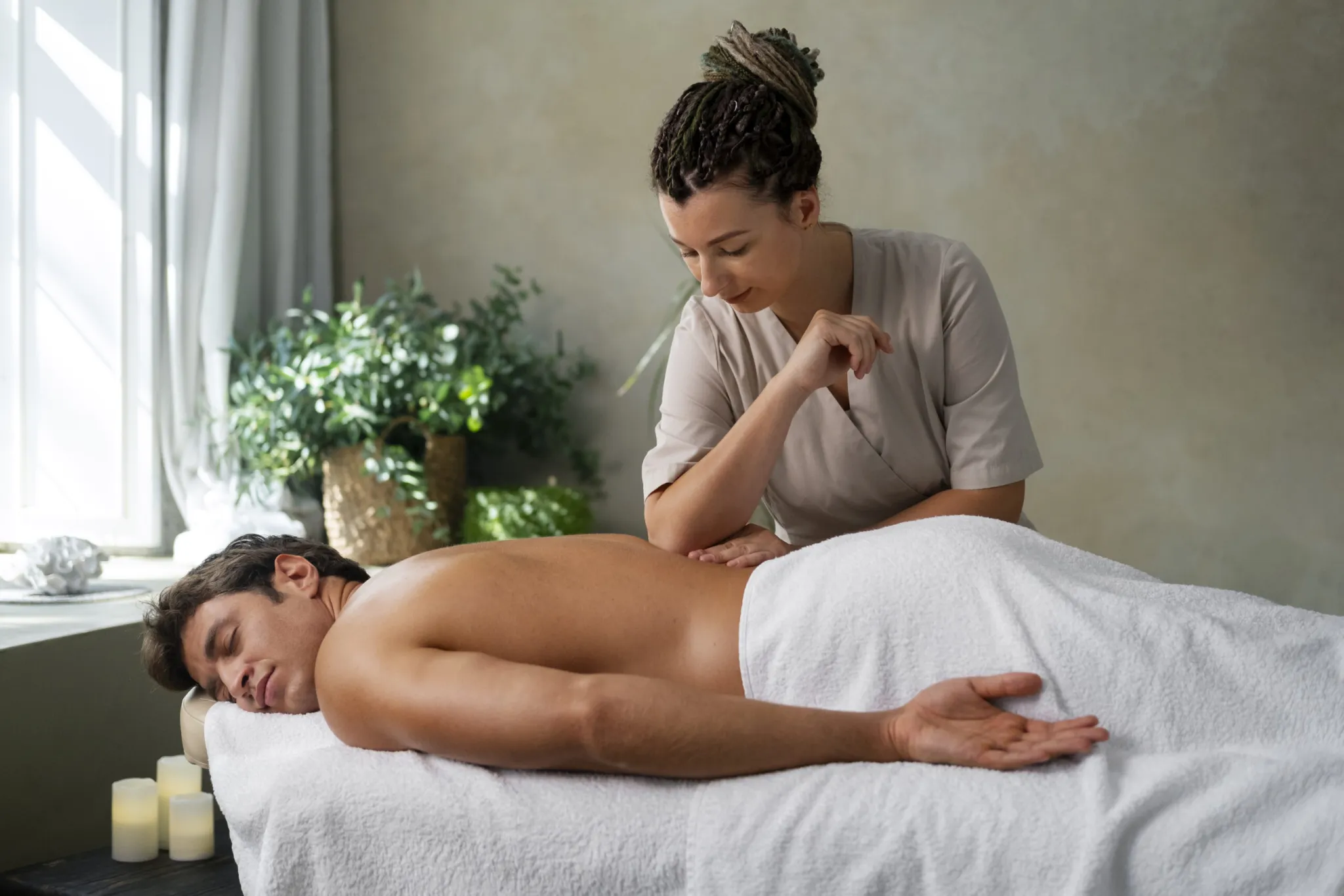
1. Preparation and Comfortable Setup
You are given loose and comfortable clothing to wear. The session usually takes place on a padded mat instead of a massage table.
2. Gentle Warm-Up
The therapist begins with light pressure to help your body relax and adjust. This step prepares your muscles for deeper work.
3. Pressure Point Work
Targeted pressure is applied using hands, thumbs, elbows, or feet. This helps release tension and improve circulation.
4. Assisted Stretching
Your body is gently moved into different stretches, similar to yoga. These movements help improve flexibility and reduce stiffness.
5. Full-Body Flow
The session follows a continuous rhythm, moving from one part of the body to another to create balance and relaxation.
6. Final Relaxation
The session ends with calming movements that allow your body to settle and fully relax.
What Makes Thai Massage Different from Other Styles?
Thai massage offers a unique experience compared to other massage types.
- Focuses on movement instead of just pressure
- Includes stretching techniques
- Performed fully clothed
- Does not rely on oils
- Engages the entire body actively
Many people exploring Thai massage therapy find it more interactive than traditional relaxation massages.
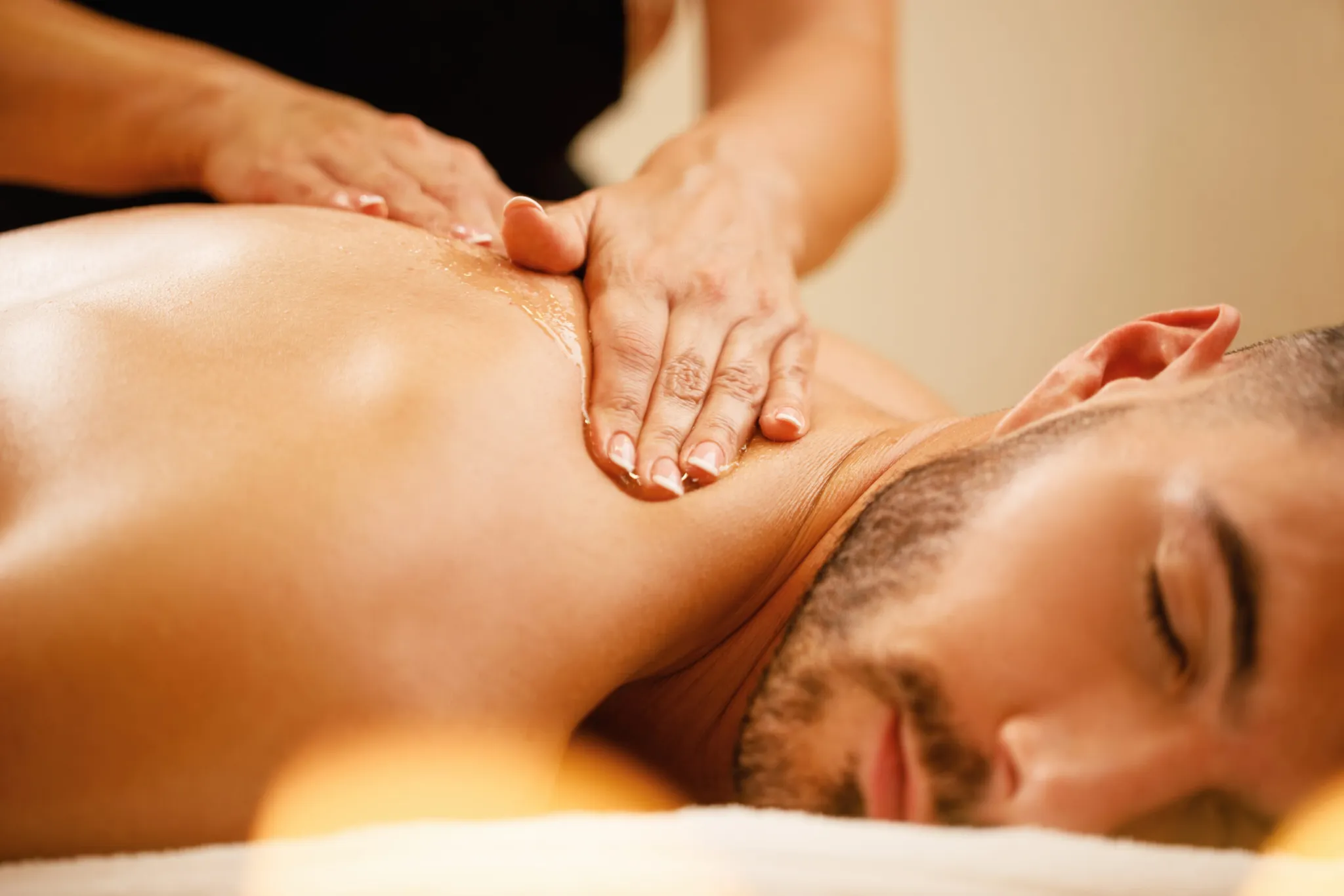
How to Prepare for a Traditional Thai Massage Session
Preparing in advance can help you feel more comfortable and get the most out of your session. While Thai massage does not require much preparation, a few simple steps can make your experience smoother and more relaxing.
- Wear loose and comfortable clothing that allows easy movement
- Avoid heavy meals at least 1 to 2 hours before your session
- Stay hydrated before and after the massage
- Arrive with a relaxed mindset to help your body respond better
- Communicate any discomfort, injuries, or preferences with your therapist
Taking these small steps can help your body adjust more easily to the traditional Thai massage steps and allow you to enjoy the session without tension or discomfort.
What to Expect During Your First Session
If you are new to Thai massage, here is what you can expect:
- A calm and quiet environment
- Guided movements by the therapist
- Gentle to moderate pressure, depending on comfort
- A mix of stretching and pressure techniques
- Continuous communication for comfort
Those looking for a traditional Thai massage in NYC often appreciate knowing what happens before their first visit.
Benefits of Traditional Thai Massage
Thai massage offers several physical and relaxation benefits.
- Improves flexibility and range of motion
- Helps reduce muscle stiffness
- Supports better circulation
- Encourages full-body relaxation
- Helps the body feel more balanced
An authentic traditional Thai massage can provide both physical relief and a sense of calm at the same time.
How Does Your Body Feel After a Thai Massage?
After a session, the body can respond in different ways depending on the techniques used.
- Muscles may feel more relaxed and less tight
- The body may feel lighter and more flexible
- Energy levels can feel slightly increased
- Mild soreness may occur due to stretching
These effects are normal and usually fade quickly, leaving you feeling more comfortable overall.
Thai Massage vs Other Massage Types
Understanding how Thai massage compares to other styles can help you choose what suits you best.
| Feature | Thai Massage | Swedish Massage |
|---|---|---|
| Technique | Stretching and pressure | Smooth strokes |
| Movement | Active and guided | Passive |
| Oil Use | No | Yes |
| Focus | Flexibility and balance | Relaxation |
| Experience | Engaging | Calm |
This comparison helps explain why Thai massage feels more active compared to other techniques.
Who Should Try Thai Massage?
Thai massage is suitable for many people, especially those who:
- Feel stiffness or limited flexibility
- Sit for long periods
- Want a more active massage experience
- Prefer stretching along with pressure
- Are you looking for full-body relief
FAQs
1. Is Thai massage painful?
It should not be painful. Pressure and stretching are adjusted based on your comfort level.
2. Do I need to prepare before the session?
Wear comfortable clothing and avoid heavy meals before your session.
3. How long does a Thai massage session last?
Most sessions last between 60 and 90 minutes.
4. Can beginners try Thai massage?
Yes, beginners can try it, and the therapist will adjust techniques accordingly.
5. Is Thai massage better than other types?
It depends on your preference. Some people prefer stretching, while others prefer gentle relaxation.
Conclusion: A Step-by-Step Experience That Supports Full-Body Relief
Thai massage is more than just a relaxing session. It is a guided experience that combines movement, stretching, and pressure to help your body feel more flexible and relaxed.
If you are curious about trying something different, Mali Healing Spa NYC offers sessions where trained therapists guide each step with care and attention to comfort. Their services reflect how traditional techniques can support both relaxation and physical ease.
Take the time to explore a massage experience that moves with your body. Book your session at Mali Healing Spa NYC today and enjoy a calming, guided experience that helps you feel lighter, more flexible, and fully refreshed.