
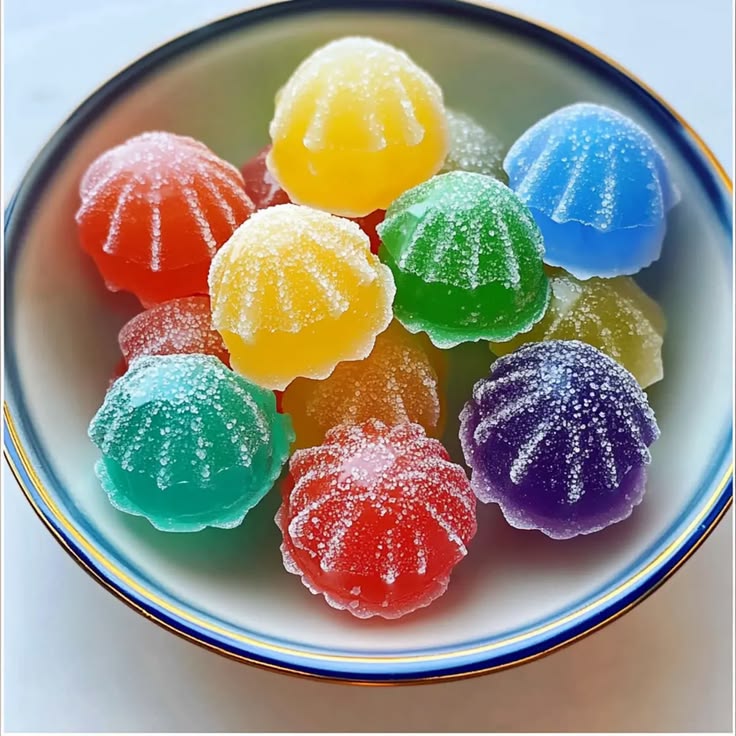
Food manufacturers that are developing a product that uses natural ingredients can rely on a reliable sourcing partner to do this. There are numerous companies that compare working directly with the natural food color manufacturer or buying from the Natural food color distributor. Both have the potential to provide good quality ingredients, but they vary in terms of business requirements such as production volume, technology requirements and purchasing strategies. Learning about the operation of each can influence the procurement teams and product developers to make informed decisions to ensure consistent manufacturing, supply chain efficiency and growth of the business.
Understanding Manufacturing Partnerships
Natural food colour is a colour ingredient which is produced by the manufactory of natural food colour which uses a controlled processing and quality management system. These companies are the ones that deal in raw materials, conduct the extraction or production process and ensure the materials are uniform in each batch.
When dealing directly with a manufacturer, it may provide more transparency into production processes and the quality of ingredients. It can also enable manufacturers to consult with each other on technical specifications, product formulation and product customization during product development. If the business has high production volumes and/or specialized formulations, it can be easier to plan and work together throughout the product lifecycle when dealing with the manufacturer directly.
The Role Of Distributors
A Natural food color distributor is a supply partner between the manufacturers and end users. Distributors are more concerned with inventory management, logistics and customer service, and provide products from one or more manufacturers, rather than make ingredients.
Distributors can offer flexibility to businesses that need to order in small quantities and/or have more ingredients to choose from. They also tend to keep on hand inventory of some of the products, which is beneficial to customers who need their products on a frequent basis but don’t need to order a whole lot of production at once. Many distributors will also help with documentation, regulatory information and product guidance in general, and for this reason are valuable partners for companies who have various sourcing requirements.
Comparing Business Advantages
Whether to source direct or via distribution will depend on a number of operational priorities. Large food manufacturers often appreciate the advantage of the direct manufacturer relationship as it enables them to customize the solutions, negotiate stable prices and facilitate better technical cooperation.
Distributors, on the other hand, would be more appropriate for companies that require more flexibility when purchasing products or if they are looking for several product lines from various suppliers. They can streamline procurement by providing multiple types of ingredients via a single purchasing channel. There’s no one right solution, as it depends on production volume, buying frequency, inventory management and business goals.
Evaluating Long-Term Reliability
Reliability is one of the key factors in evaluating the source, regardless of which sourcing model is used. When deciding to sign long-term contracts, procurement teams should evaluate the production consistency, quality assurance processes, supply chain stability, and customer support.
Manufacturers and distributors need to be committed to good quality management, communication and reliability for delivery. A reliable partnership minimizes production risks and ensures quality of the products throughout several production cycles. Another important factor to consider is technical support, particularly when making products that need to be consistent in color in various processing situations.
Making The Right Decision
Food businesses are all different and have different sourcing needs. Where there are large quantities to be produced, with specialized formulations, a firm company with a natural food color manufacturer may be better able to assist in the development of the product and in long-term planning. Natural food color distributors might be more advantageous for businesses that need flexibility in their inventory, multiple food color options, or regional distribution.
Assessing operational targets before choosing a supplier aids businesses in developing enhanced procurement methods and aids in effective production processes and possible product innovation for the future.
Conclusion
The decision of selecting a Natural food color manufacturer or a Natural food color distributor relies on the production requirement, purchasing approach and business goals. Foodrgb.com is another good source for information about natural ingredient solutions, including information on food color applications and manufacturing support. By carefully evaluating suppliers, manufacturers can build strong relationships, ensure product quality, and thrive in a demanding market by delivering products that align with consumer preferences for natural colors.