
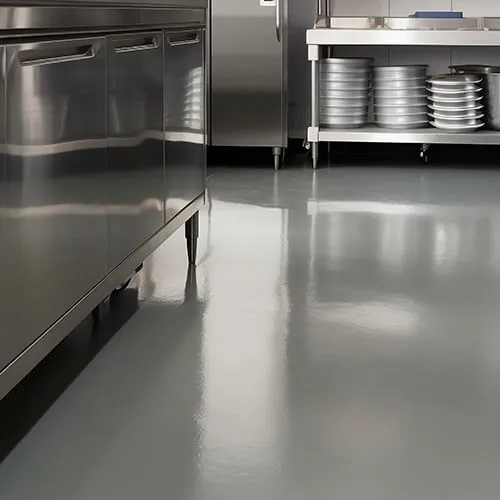
A commercial bakery operates differently from a typical restaurant kitchen. Large mixers, proofing equipment, ovens, ingredient deliveries, and continuous production can create demanding working conditions. Flour dust, water, cleaning chemicals, and temperature changes may affect different sections of the facility throughout the day.
Businesses considering Polyurethane Cement should evaluate how their bakery operates before selecting a flooring system. The appropriate surface depends on the existing concrete, production activities, cleaning procedures, and applicable food safety requirements. A finish suitable for a small retail kitchen may not meet the needs of a bakery producing hundreds of items daily.
Production Zones Have Different Requirements
Commercial bakeries often contain separate areas for ingredient storage, mixing, dough preparation, baking, cooling, and packaging. Each zone experiences different working conditions. Mixing areas may encounter flour and liquid ingredients, while oven sections experience elevated temperatures. Packaging spaces may involve regular movement of carts and finished products.
Flooring specifications should reflect these differences rather than assume every part of the building needs identical treatment. Managers can review production activities with employees and relevant specialists before choosing materials. Understanding the actual workflow helps identify which areas require particular attention.
Flour Dust Requires Effective Housekeeping
Flour dust is common in bakery environments, particularly around mixing and ingredient-handling equipment. Fine particles can settle on floors, machinery, and nearby surfaces. Accumulated flour dust can also present combustible dust hazards under certain conditions. Appropriate dust collection, cleaning procedures, and workplace safety controls are therefore essential.
Flooring alone cannot prevent airborne dust exposure or eliminate combustible dust risks. Bakery operators should follow applicable safety requirements and seek specialist advice where necessary. Cleaning methods should avoid unnecessarily dispersing settled dust into the air.
Heat and Moisture Affect Surface Selection
Commercial bakery floors may experience changing temperatures as equipment operates and cleaning activities take place. Hot water, cleaning products, and other substances can also influence the requirements of particular work areas.
Businesses researching Commercial Kitchen Flooring should consider these conditions when discussing suitable materials with qualified professionals. Different flooring systems have different temperature, chemical, and installation limitations. A product should not be assumed suitable for every bakery simply because it is marketed for commercial kitchens. Manufacturer specifications and the facility’s actual operating conditions should guide selection.
Heavy Equipment Needs Appropriate Support
Commercial mixers, ovens, racks, and other bakery equipment can place substantial loads on the floor. Some machinery also produces vibration during operation. The supporting concrete should be assessed according to the equipment manufacturer’s requirements and relevant structural considerations. Flooring coatings cannot compensate for an unsuitable slab or inadequate equipment support.
Before installation, managers should establish the location of permanent machinery and whether equipment will need to be moved during future maintenance. This planning can reduce unnecessary changes after the bakery begins operating.
Drainage and Cleaning Need Coordination
Bakery cleaning procedures depend on the products handled, equipment, and food safety requirements. Some areas may require wet cleaning, while others use methods appropriate for dry ingredients.
Flooring should support the approved cleaning program without creating unnecessary difficulties around equipment.
Important considerations include:
-
Drainage: Assess whether wet areas have suitable water management.
-
Surface transitions: Avoid unnecessary obstacles between production zones.
-
Chemical compatibility: Review cleaning products against flooring specifications.
-
Equipment access: Allow suitable space for cleaning and maintenance.
-
Slip resistance: Evaluate expected conditions and applicable requirements.
These details should be coordinated with the wider facility design rather than treated as isolated flooring decisions.
Installation Must Fit Production Schedules
Commercial bakeries may operate early mornings, overnight shifts, or continuous production schedules. Flooring improvements can therefore affect business operations if work areas become temporarily unavailable. Managers should coordinate installation with production requirements and food safety procedures.
Contractors should explain substrate preparation, application conditions, and return-to-service requirements before work begins. Temporary arrangements must also prevent construction activities from contaminating food production areas. A realistic schedule helps avoid reopening sections before the selected flooring system is ready for normal use.
Maintenance Supports Long-Term Operations
Bakery floors require regular inspection because production activities can expose surfaces to repeated traffic, cleaning, and equipment movement. Staff should understand how to report visible damage, deteriorating joints, or other concerns. Cleaning procedures must follow the installed system’s manufacturer guidance and the facility’s food safety program.
Records of repairs and maintenance can help managers identify recurring issues. Addressing problems promptly may reduce operational disruption while supporting appropriate working conditions.
Conclusion
Commercial bakeries require flooring decisions that reflect the demands of food production rather than ordinary interior design. Ingredient handling, flour dust, equipment loads, temperature changes, drainage, and cleaning procedures all influence material selection. Different production zones may need different surface characteristics, making professional assessment important. Businesses exploring services through rhynopoxy.com can consider these factors when planning improvements. By coordinating flooring specifications with food safety controls, equipment requirements, and production schedules, bakery operators can create more practical working environments without expecting a coating to resolve unrelated operational hazards.