
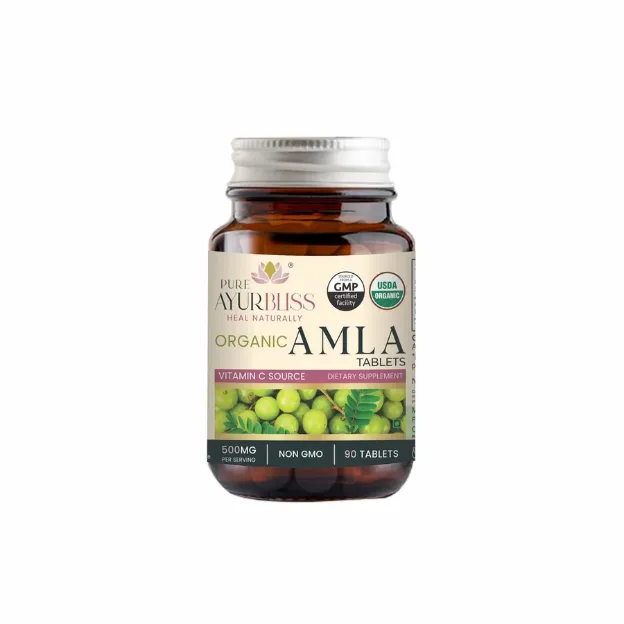
Ayurveda offers a wide range of herbs that have been traditionally used to support different aspects of everyday wellness. From Amla and Ashwagandha to Turmeric, Brahmi, and Triphala, these ingredients are available in different forms to suit individual preferences. However, choosing the right product requires more than simply looking at its name or advertised benefits.
When people purchase Ayurvedic supplements online, they need to consider ingredient quality, product information, sourcing, and suitability. Understanding these factors can make online shopping more informed and help buyers select products that fit their wellness routines. A little attention before placing an order can make a meaningful difference in the overall shopping experience.
Understanding What Makes an Ayurvedic Product Worth Choosing
Ayurvedic herbs are valued for their traditional uses and their connection with holistic wellness. Each ingredient has its own characteristics, preparation methods, and place in Ayurvedic practices. For example, Amla is traditionally associated with nourishment and antioxidant support, while Ashwagandha is commonly included in wellness routines focused on stress management and vitality.
When exploring herbal products online, it is important to understand what each ingredient offers rather than choosing something simply because it is popular. Buyers should consider their personal wellness goals, preferred product form, and the information provided by the seller. This approach helps narrow down suitable options without creating unrealistic expectations about what a supplement can achieve.
Important Factors to Check Before Buying Ayurvedic Herbs
Online product descriptions can make shopping convenient, but buyers should look beyond attractive images and promotional language. A reliable selection process involves examining several details that explain what a product contains and how it should be used.
1. Check the Ingredient List
Start by reviewing the complete ingredient list. A product should clearly identify its main herb and mention any additional ingredients included in the formulation. This information helps buyers understand what they are consuming and identify ingredients they may need to avoid.
2. Look for Quality and Certification Details
Quality information can help distinguish carefully prepared herbal products from options with limited product transparency. Look for relevant certifications, manufacturing information, and quality testing details where available. Organic certification can also be useful when it is verified by a recognised certifying body.
3. Understand the Product’s Origin
The origin of an Ayurvedic herb can provide useful information about its sourcing. Buyers should look for details about where ingredients are grown, how they are sourced, and whether the seller shares information about its supply chain. Clear sourcing information can make product selection more transparent.
4. Read Product Descriptions Carefully
A detailed product description should explain the herb, its form, intended use, ingredients, and recommended serving information. Avoid relying on broad claims that promise instant results or suggest that one supplement can address multiple health conditions. Clear information is more valuable than exaggerated marketing language.
5. Review Storage and Packaging Information
Packaging plays an important role in keeping herbal products protected during storage and delivery. Check whether the container is properly sealed and whether storage instructions are provided. Products should also display relevant details such as batch information, expiry dates, and usage directions.
Choosing Between Ayurvedic Tablets and Powders
Another important consideration when shopping for Ayurvedic herbs is the form in which they are available. Tablets and powders are common options, and each offers a different way to include traditional ingredients in everyday routines. The right choice depends on personal preferences, preparation habits, and product instructions.
Tablets are convenient for people who prefer ready-to-use formulations without measuring or mixing ingredients. They are generally easy to carry and can fit into established daily habits. Powders, on the other hand, offer more flexibility because they can be incorporated into suitable drinks, recipes, or other preparations according to their directions.
For example, people exploring Amla tablets benefits may prefer tablets because of their convenient format and traditional association with antioxidant and general wellness support. Those who enjoy preparing herbal drinks or adding ingredients to food may find powdered Amla more suitable. Understanding these differences makes it easier to choose a product that matches individual preferences.
A Practical Approach to Ordering Ayurvedic Products Online
Once buyers understand the ingredients and product forms, the next step is to evaluate the shopping experience. A well-organised online store should make it easy to explore products, compare available options, understand their details, and complete an order confidently.
Before making a purchase, consider these simple checks:
● Explore the available Ayurvedic herb categories.
● Compare tablets and powders according to your preferences.
● Read ingredient lists and product descriptions.
● Check organic certifications and quality information.
● Review serving instructions and safety precautions.
A transparent shopping experience should provide the information needed to make a considered decision. Buyers should also review shipping conditions, payment options, and return policies before completing their orders.
Building a Thoughtful Ayurvedic Wellness Routine
Choosing herbal products is only one part of maintaining a balanced wellness routine. Ayurveda also emphasises nutritious food, proper digestion, adequate sleep, physical activity, and mindful daily habits. Herbal ingredients can complement these practices but should not replace a balanced diet or appropriate medical care.
Consistency and informed use are equally important when introducing supplements. Always follow product instructions and consult a qualified healthcare professional if you are pregnant, breastfeeding, taking medication, or managing a health condition.
Conclusion
Buying Ayurvedic herbs online becomes easier when shoppers understand ingredient quality, sourcing, certification, product forms, and usage instructions. Rather than selecting products based only on popularity or promotional claims, buyers should take time to compare available options and review the information provided. Whether choosing tablets or powders, an informed approach helps make herbal shopping more practical and supports thoughtful everyday wellness decisions.
If you are looking for Ayurvedic products that combine traditional herbal ingredients with convenient options for modern routines, PureAyurBliss offers a collection of tablets and powders featuring Amla, Ashwagandha, Brahmi, Shatavari, Triphala, and Turmeric. Those interested in exploring Amla supplement benefits can discover Amla-based options within its product range. With a focus on authenticity, ingredient quality, and holistic wellness, they offer products for people who want to incorporate traditional Ayurvedic ingredients into their self-care routines.