
How to Choose the Right Commercial Refrigerator for a Busy Kitchen
Choosing refrigeration equipment for a restaurant or commercial kitchen is about much more than finding a refrigerator that fits through the door. The right unit needs to provide enough storage, recover temperature quickly after frequent door openings, withstand a demanding kitchen environment, and fit the way staff actually work.
For most foodservice operations, the first decision is determining how much cold storage is required and how frequently the refrigerator will be accessed. A small café with limited prep volume has very different requirements from a busy restaurant preparing hundreds of meals each day.
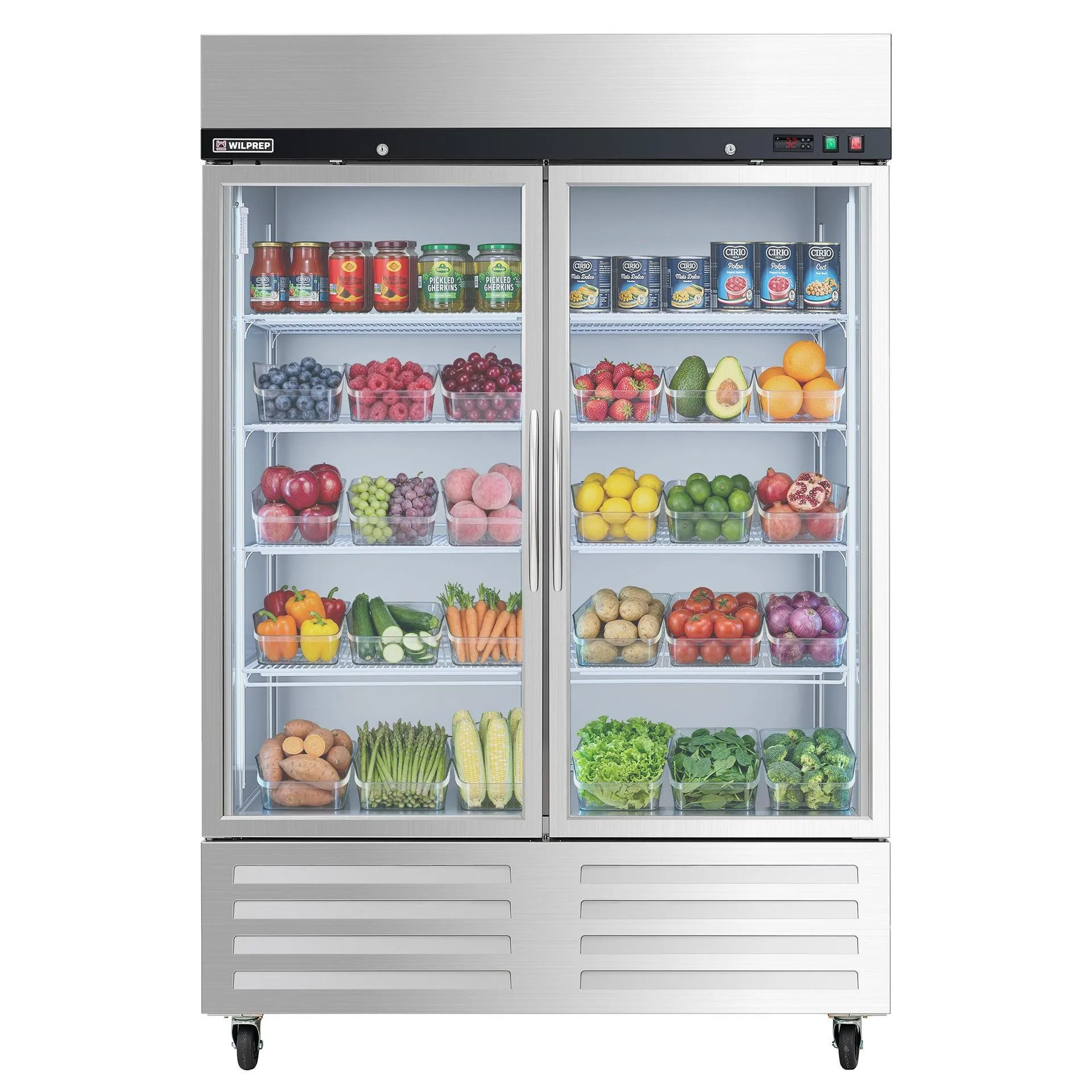
Start With Storage Capacity
Storage capacity is one of the easiest specifications to compare, but it is also one of the most important. A refrigerator that is too small can become overcrowded, restricting airflow and making it harder for employees to organize ingredients. On the other hand, buying significantly more capacity than the kitchen needs can take up valuable floor space and increase equipment costs.
Single-section reach-in refrigerators can work well for smaller kitchens, satellite prep stations, cafés, and restaurants with limited storage requirements. Larger two- and three-section models make more sense when a kitchen needs to store bulk ingredients, prepared foods, dairy products, sauces, and other refrigerated inventory in one location.
For operators comparing different sizes, commercial reach-in refrigerators provide a practical way to compare single-, double-, and triple-section configurations according to available space and storage requirements.
Consider Door Configuration and Workflow
The number and type of doors also affect kitchen efficiency. A single-door refrigerator requires less floor space, while two- and three-door models provide substantially more storage without requiring separate refrigeration units.
Door placement matters as well. In a busy kitchen, employees may open the refrigerator dozens or even hundreds of times throughout a shift. Shelving should therefore be adjustable, easy to clean, and organized so commonly used ingredients are easy to reach.
Solid Door or Glass Door?
Solid-door refrigerators are generally suited to back-of-house ingredient storage. Their insulated doors help reduce exposure to the warm kitchen environment and keep bulk ingredients out of customer view.
Glass-door refrigerators serve a different purpose. They allow staff or customers to see the contents without opening the door, making them particularly useful for beverages, grab-and-go products, convenience stores, cafés, and retail environments.
When comparing different refrigeration formats, a broader selection of commercial refrigeration equipment can help operators compare reach-in refrigerators, display refrigerators, worktop units, and other configurations before making a purchase.
Don’t Ignore Commercial Certifications
Restaurants and foodservice businesses should also check whether refrigeration equipment is designed and certified for commercial use. Depending on the location and application, sanitation and electrical certifications can be important requirements for health inspections and facility compliance.
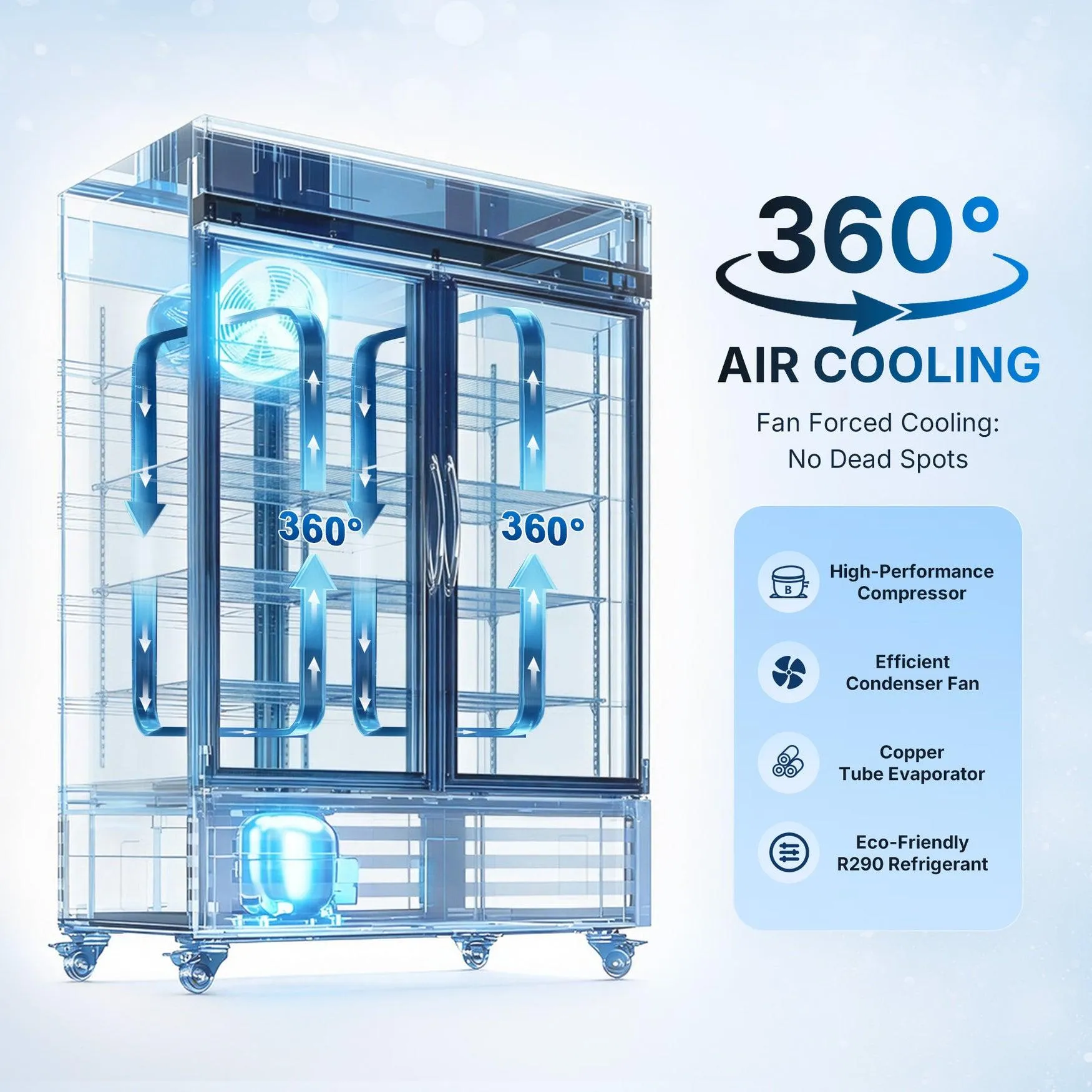
It is also worth checking the refrigerant type, temperature controls, shelving capacity, warranty coverage, and service availability before making a final decision.
Final Considerations
The best commercial refrigerator is not necessarily the largest or most expensive model. It is the one that provides enough capacity, fits the kitchen layout, supports the team’s workflow, and maintains reliable temperatures throughout the working day.
By comparing capacity, door configuration, construction, certification, and operating requirements before purchasing, restaurant owners can avoid paying for unnecessary capacity while still having enough refrigeration to support daily operations.