
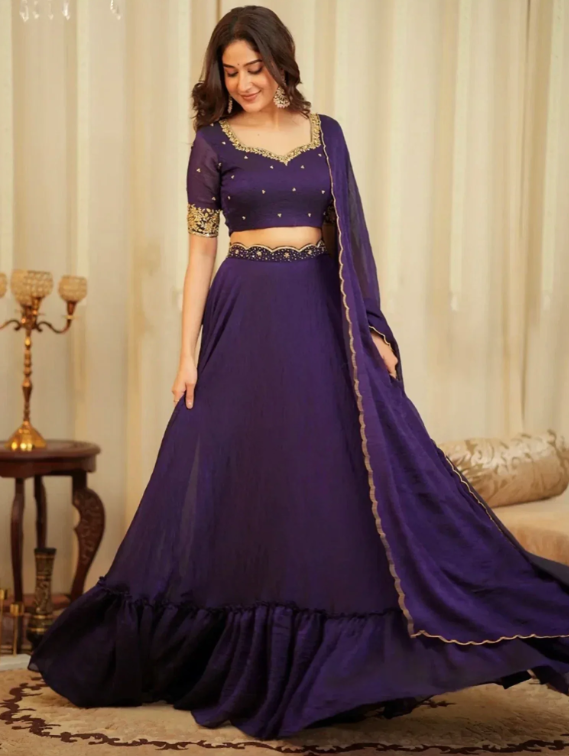
Fashion has always evolved in response to changing lifestyles, and today’s consumers are placing greater value on convenience than ever before. As work schedules become busier and social calendars more demanding, people increasingly seek clothing that combines style with practicality. This shift has influenced every segment of the fashion industry, including ethnic wear, where traditional garments are being redesigned to meet modern expectations.
The growing popularity of the Ready to Wear Lehenga and Ready To Wear Saree reflects this transformation. These innovations offer the elegance of traditional attire while reducing the time and effort often associated with wearing conventional ethnic outfits. Their success highlights a broader trend in fashion: consumers are looking for solutions that fit seamlessly into their lifestyles without sacrificing cultural identity or personal style.
The Modern Consumer’s Demand for Convenience
The way people shop and dress has changed significantly over the past decade. Convenience has become an important factor in purchasing decisions, influencing everything from product design to retail experiences.
Today’s consumers often look for clothing that simplifies preparation for events and occasions. Rather than spending time on complex styling processes, many prefer garments that are easy to wear while still offering a polished appearance.
This shift is particularly noticeable in ethnic fashion, where traditional garments are increasingly being adapted to suit fast-paced lifestyles. The popularity of ready-to-wear styles reflects a growing preference for practicality without compromising elegance.
How Ethnic Fashion Is Adapting to Lifestyle Changes
Traditional attire has long been valued for its cultural significance and craftsmanship. However, modern lifestyles have encouraged designers to rethink how these garments are worn and experienced.
Consumers today often seek outfits that allow them to participate in cultural traditions while accommodating busy schedules. This demand has inspired innovations that simplify dressing without altering the visual appeal of traditional clothing.
Ready-to-wear ethnic fashion demonstrates how the industry is responding to these needs. By reducing complexity and increasing accessibility, designers are helping traditional garments remain relevant to contemporary consumers.
The Rise of the Ready to Wear Lehenga
The Ready to Wear Lehenga has gained popularity because it offers a practical alternative to more time-intensive occasion wear. While maintaining the beauty and elegance associated with traditional lehengas, it simplifies the dressing process for modern consumers.
This innovation appeals to women who appreciate ethnic fashion but prefer outfits that require less preparation. It also reflects a broader trend toward fashion that prioritizes ease of use alongside aesthetics.
As celebrations become more diverse and schedules more demanding, garments that offer convenience without sacrificing style continue to attract attention.
The success of ready-to-wear lehengas demonstrates how traditional fashion can evolve to meet changing expectations.
Why Ready-to-Wear Sarees Are Becoming More Popular
The Ready To Wear Saree represents one of the most significant innovations in contemporary ethnic fashion. Traditionally, saree draping requires both time and skill. Ready-to-wear versions simplify this process while preserving the graceful appearance that makes sarees so popular.
This approach has helped introduce saree fashion to a broader audience, including individuals who may have previously viewed traditional draping as challenging or time-consuming.
By making sarees more accessible, designers are ensuring that this iconic garment remains relevant for future generations.
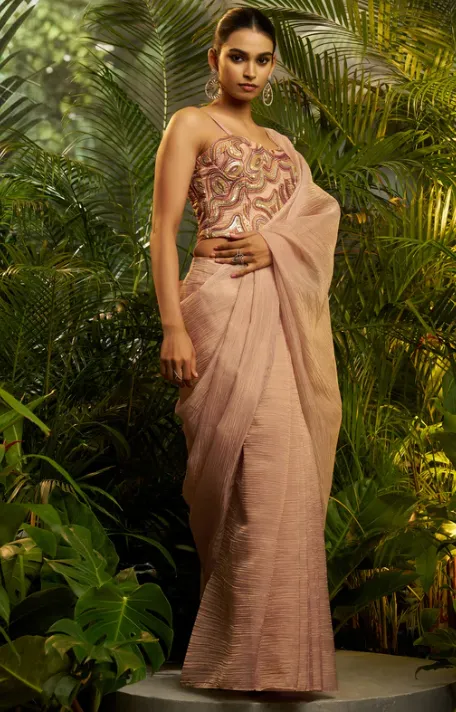
The growing demand for ready-to-wear sarees illustrates how innovation can support tradition rather than replace it.
Balancing Tradition and Practicality
One of the most interesting aspects of modern ethnic fashion is its ability to balance heritage with functionality. Consumers increasingly expect garments to fit into their daily lives while still reflecting cultural values and personal style.
Ready-to-wear designs achieve this balance by simplifying the wearing experience without altering the essence of traditional attire. They allow individuals to enjoy familiar silhouettes and aesthetics in a format better suited to modern lifestyles.
This balance between tradition and practicality is becoming a defining characteristic of contemporary ethnic wear.
The Role of Innovation in Fashion Accessibility
Fashion innovation is often associated with new fabrics or design trends, but accessibility is becoming equally important. Designers are increasingly focused on creating clothing that can be worn and enjoyed by a wider audience.
The popularity of both the Ready to Wear Lehenga and Ready To Wear Saree demonstrates how innovation can make traditional fashion more approachable. By removing barriers associated with styling and preparation, these garments encourage greater participation ethnically.
This approach helps ensure that traditional attire remains relevant and accessible in a rapidly changing world.
Final Thoughts
The rise of the Ready to Wear Lehenga and Ready To Wear Saree reflects a broader transformation within the fashion industry. As consumers increasingly value convenience, designers are finding new ways to simplify traditional clothing without sacrificing its beauty or cultural significance.
By combining practicality with timeless design, ready-to-wear ethnic fashion is helping traditional garments adapt to modern lifestyles. Their growing popularity demonstrates that innovation and tradition can work together, creating fashion that is both meaningful and accessible for today’s consumers.